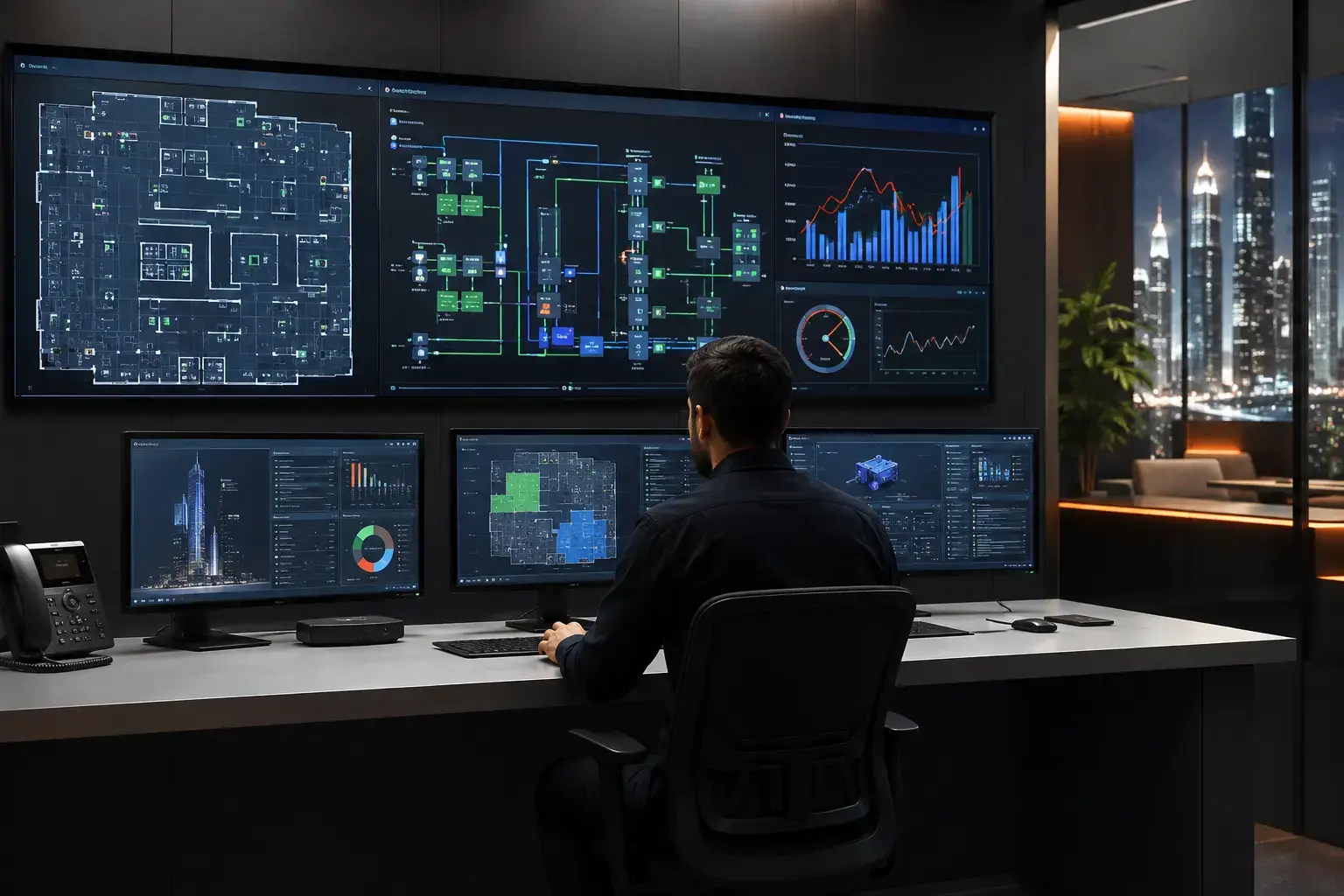
Console
Centralized monitoring
A clear dashboard for live status, trends, schedules and alarms across connected engineering systems.
One operational view of power, HVAC, ventilation, water and critical utilities — with live status, remote control and alarms for faster facility decisions.
Dispatching brings monitoring, visualization and authorized control of a facility’s engineering systems into one coordinated interface.
Instead of checking power distribution, HVAC, ventilation, pumps and utilities separately, facility teams receive live data through a single dashboard. They can identify faults, review trends, adjust permitted parameters and direct maintenance with better context. RUNN develops dispatch and monitoring platforms for commercial buildings, residential complexes, industrial facilities and infrastructure projects across Dubai and the UAE.
The platform is configured around the facility, the installed equipment and the decisions operators need to make every day.
A clear dashboard for live status, trends, schedules and alarms across connected engineering systems.
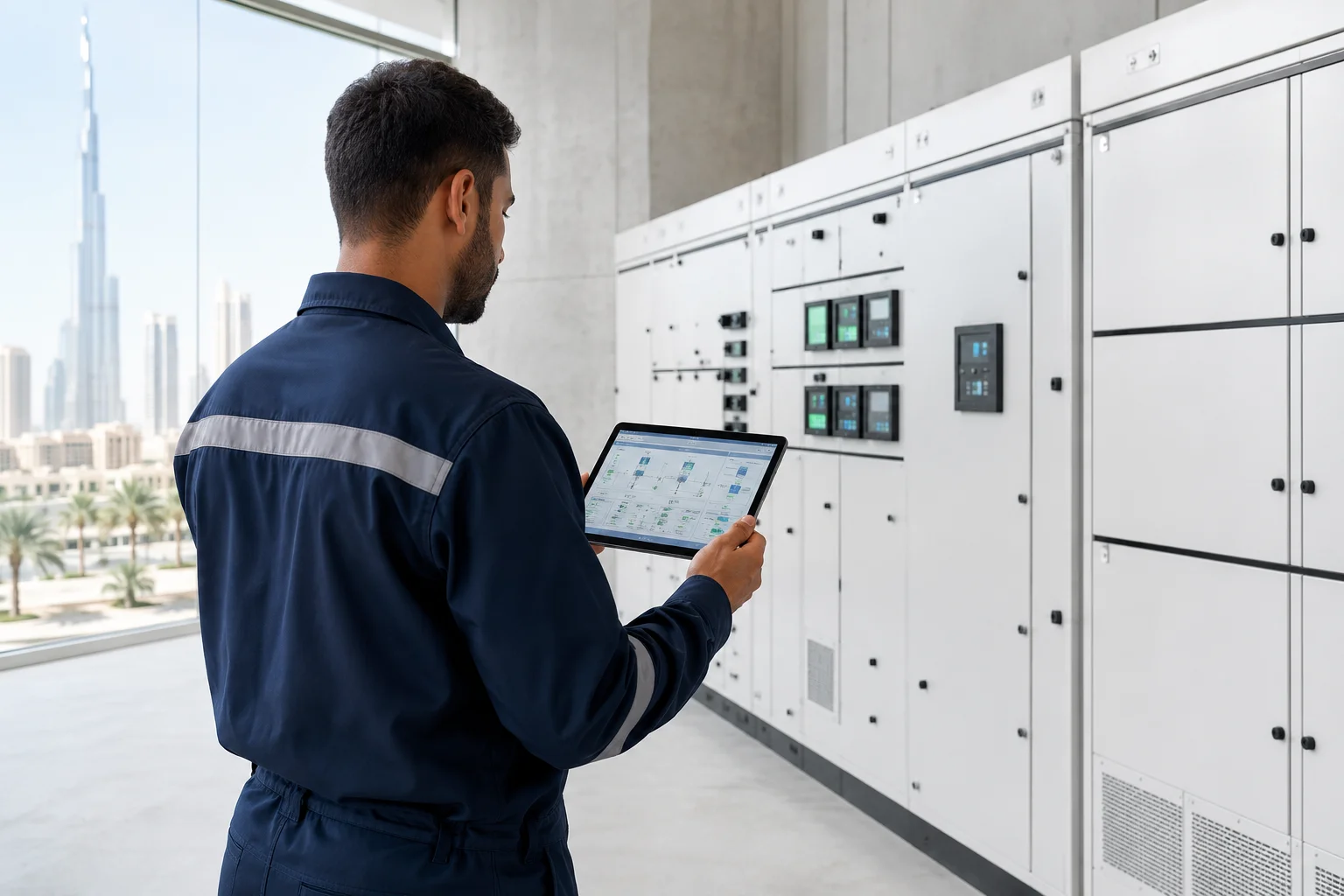
Authorized personnel can review performance and adjust permitted equipment settings on site or remotely.
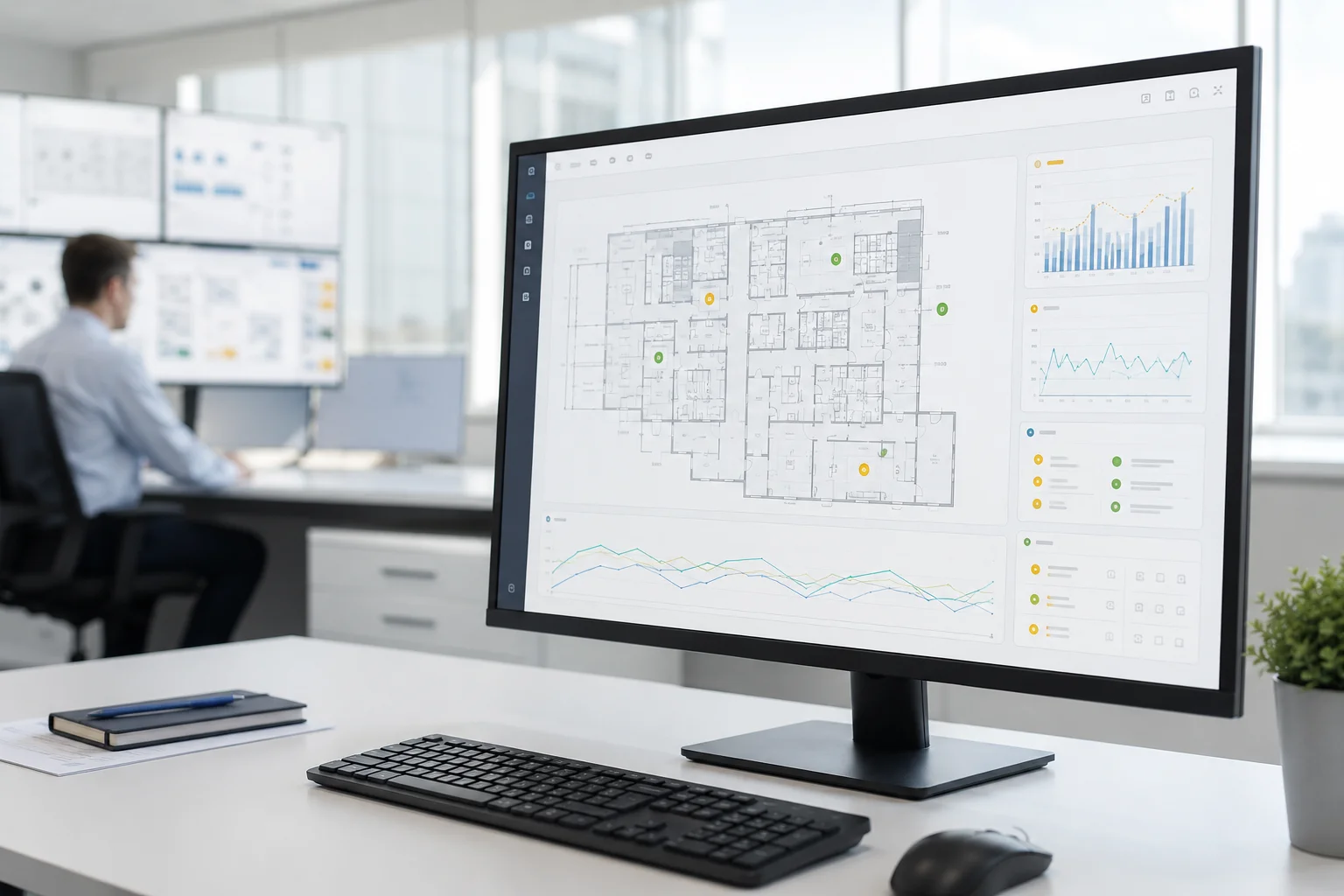
Faults and threshold breaches reach the responsible team with the system context needed to respond.
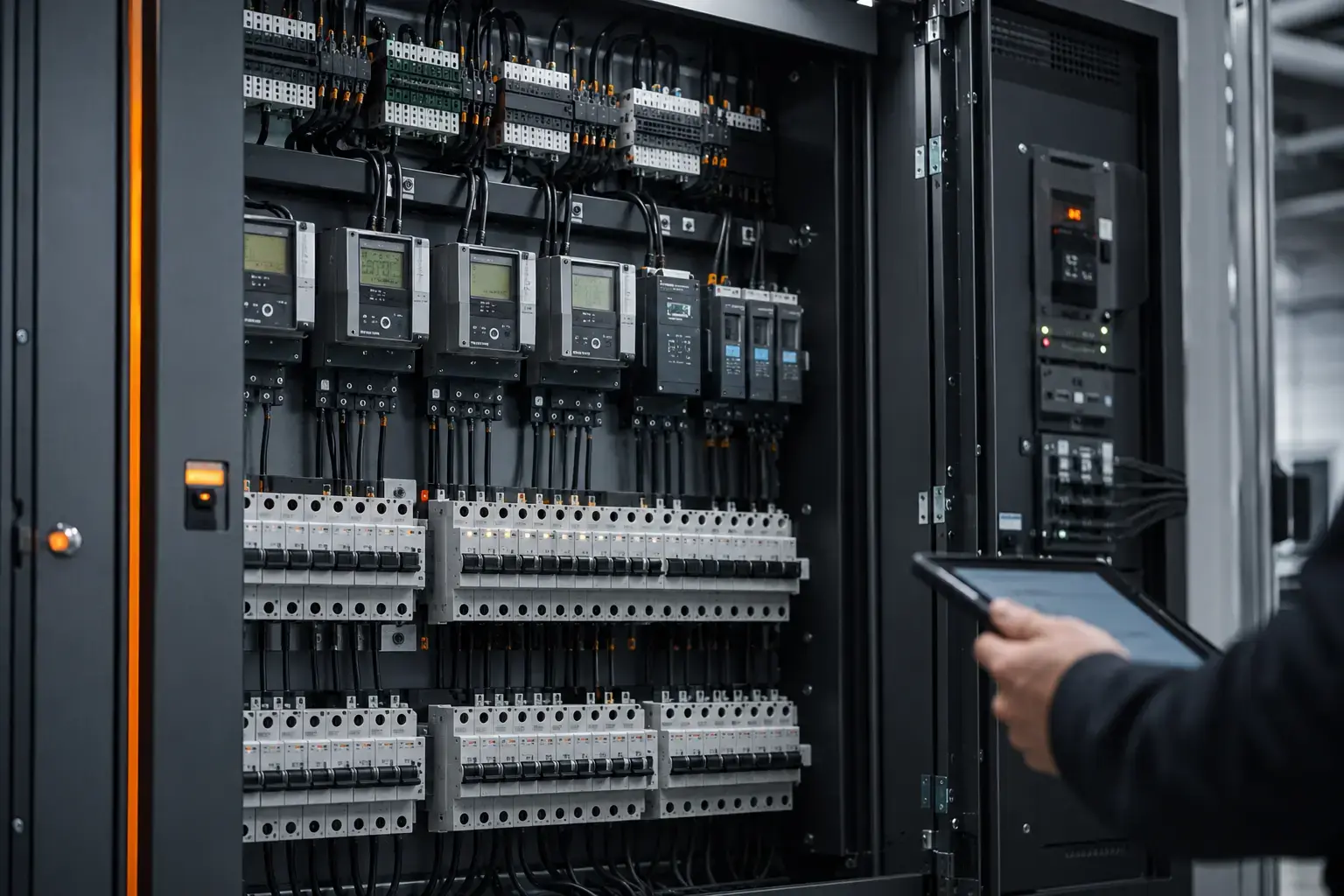
Visibility into electrical loads, switchgear states, metering and distribution panels across the facility.
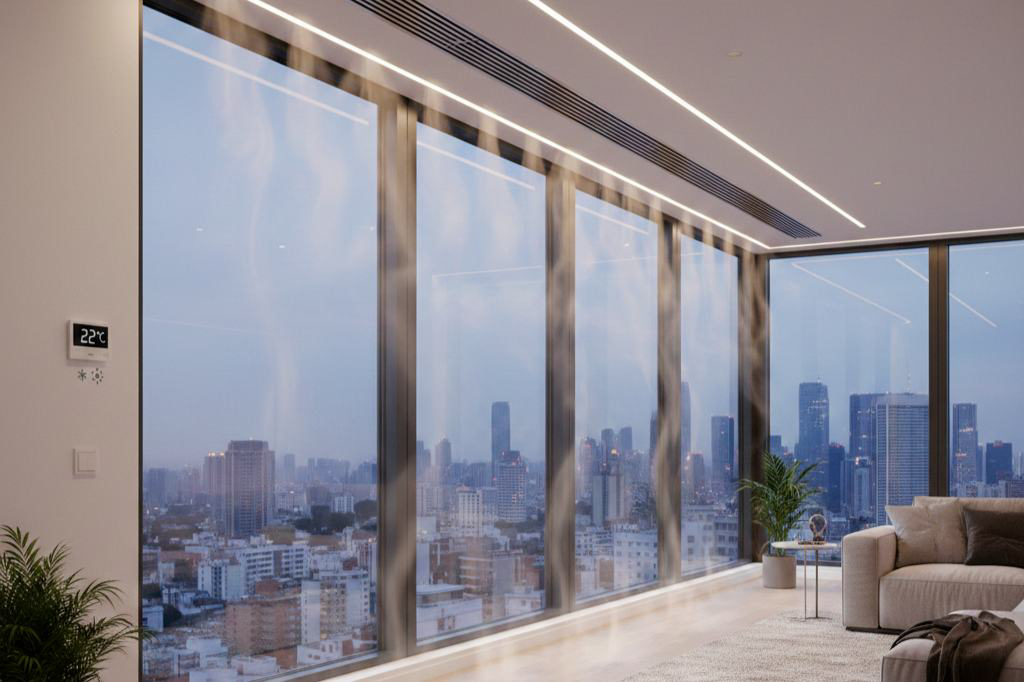
Centralized schedules, operating states and zone-level control for climate and ventilation equipment.
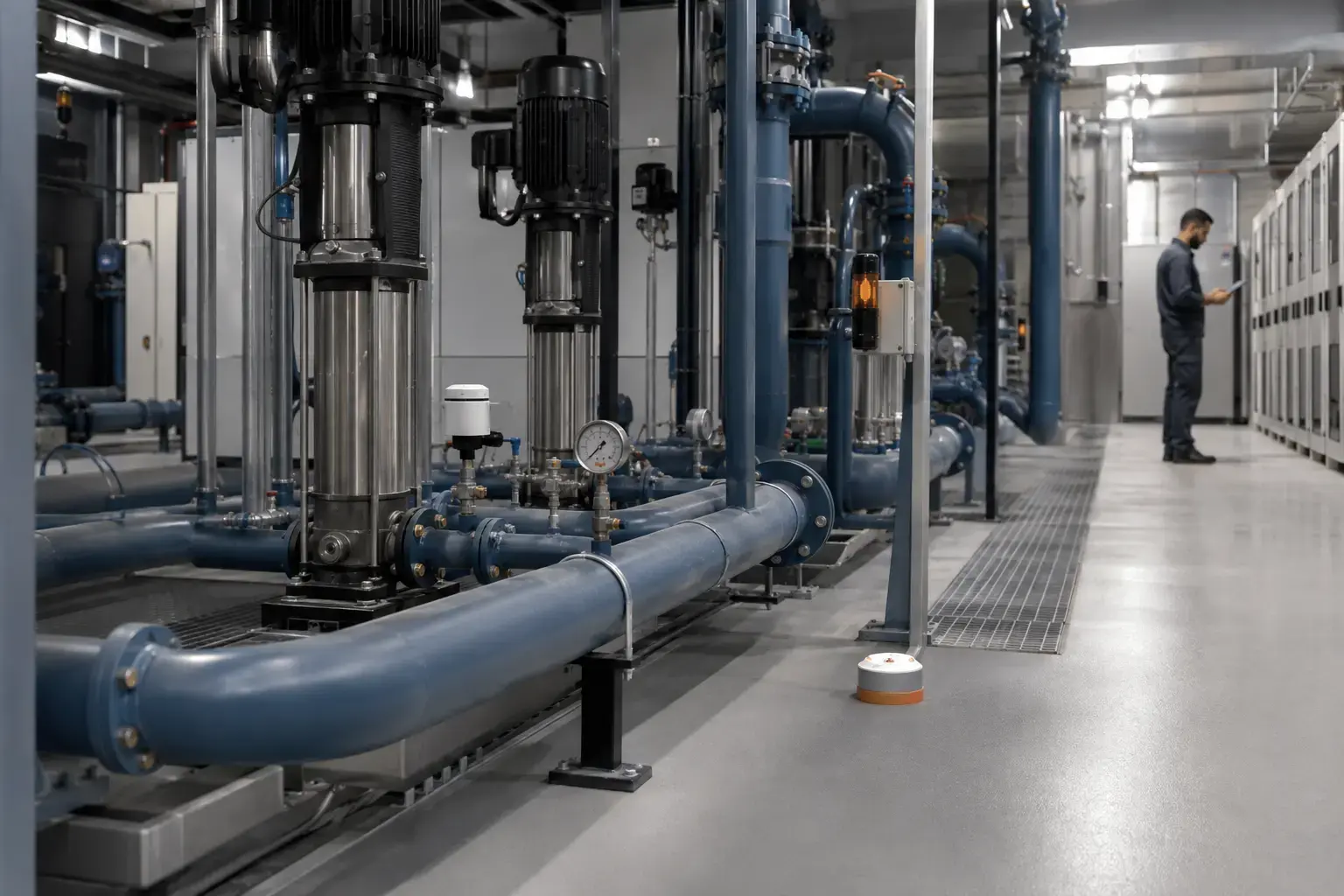
Pump status, tank levels, pressure and leak events presented in one operational interface.
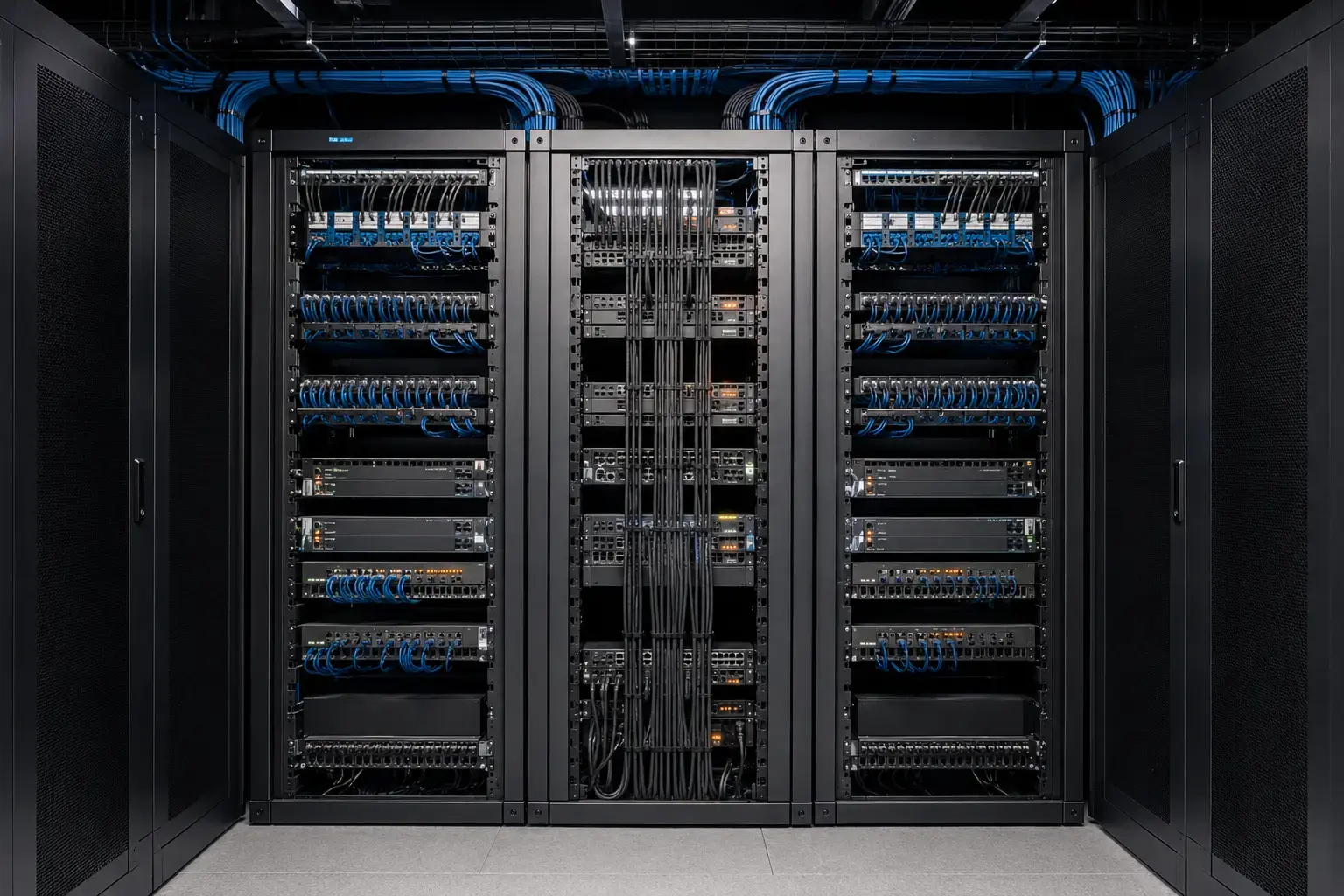
Open-protocol architecture brings compatible equipment from different manufacturers into one system.
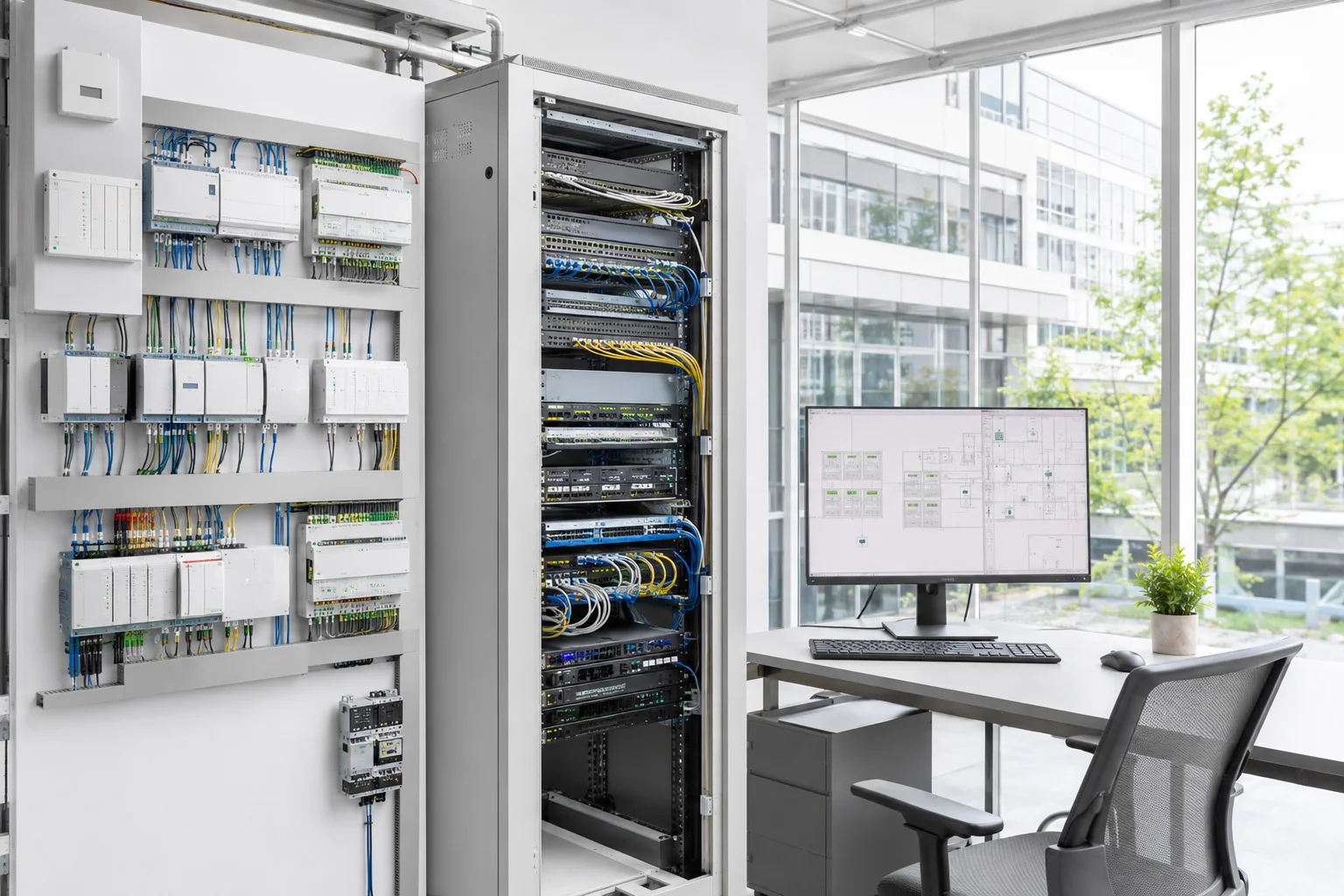
Where interfaces are available, the platform can exchange data with existing BMS, IT or business systems.
Each stage connects the technical architecture to the way the facility will actually be monitored and operated.
We assess installed engineering systems, automation level, interfaces and operational priorities.
A tailored monitoring and control architecture defines system scope and a preliminary budget.
Controllers, gateways and dispatch software are matched to protocols, scale and lifecycle requirements.
Sensors, controllers and network infrastructure are installed and connected to systems in scope.
Dashboards, alarms and control logic are configured and tested against real operating scenarios.
Facility teams receive training, documentation and access to ongoing technical support.
The architecture scales from one property to multi-building and infrastructure environments.
HVAC, power and utilities across offices, retail and mixed-use spaces.
Monitoring and control of production-critical engineering equipment.
Clear visibility of power, cooling and environmental conditions.
Centralized dispatch of shared systems across multiple buildings.
Monitoring and coordination at district, campus or site scale.
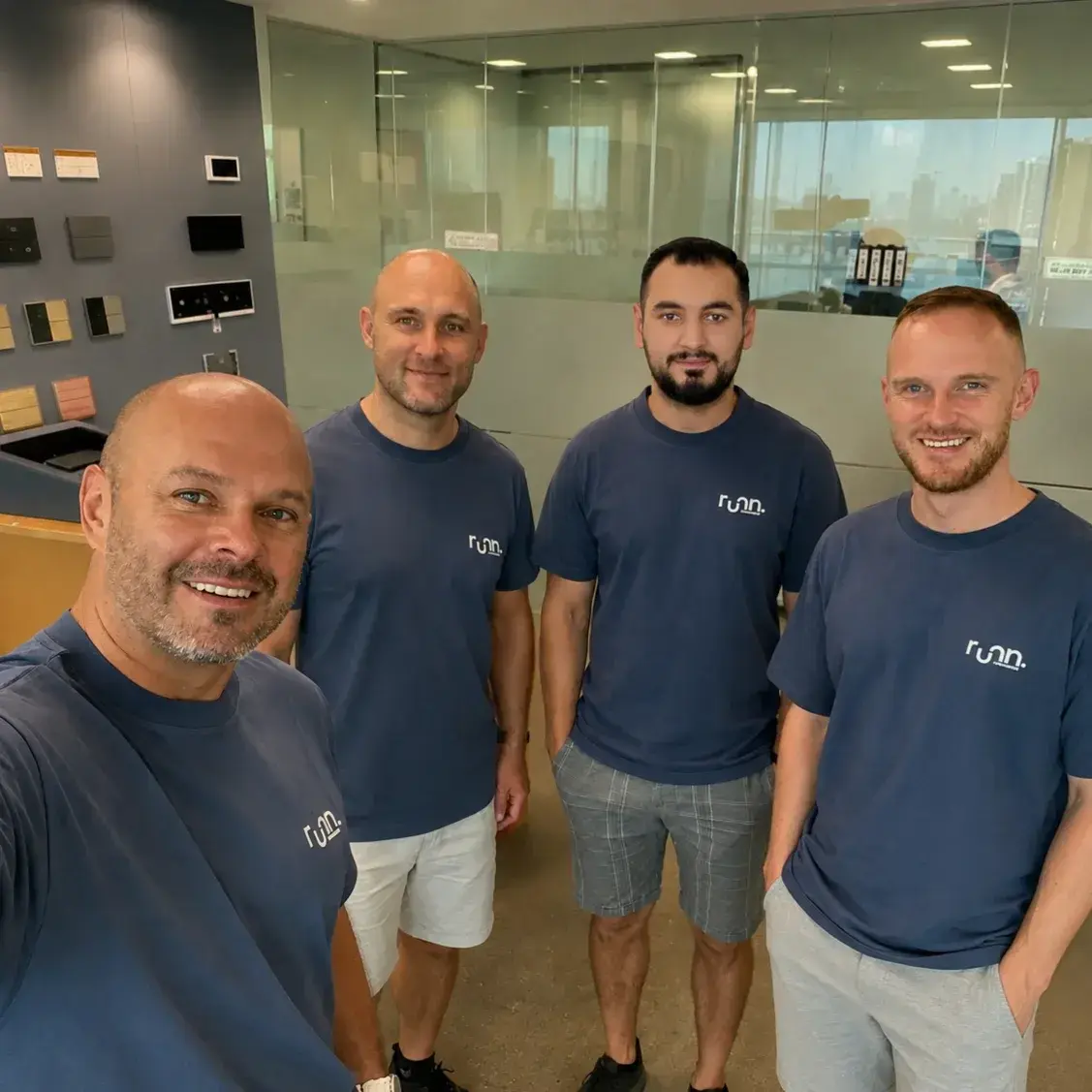
A dispatch platform only works well when controls, networks, software and facility routines are designed together.
RUNN engineers assess protocols, gateways and installed equipment before defining the platform architecture.
Information, alarms and controls are organized around real facility responsibilities and response scenarios.
Training and ongoing technical support help the system remain useful in daily operation.
Building automation connects and controls individual systems. Dispatching is the operational layer that brings their status, alarms, trends and authorized controls into one interface for the facility team.
Typical scope includes electrical distribution, HVAC, ventilation, pumps, tank levels, utilities and other compatible systems required by the project.
Often, yes. RUNN first audits the installed equipment, protocols and available interfaces, then defines what can be integrated directly and where gateways or upgrades are required.
Remote access can be included for authorized users, with permissions and the connection method defined according to the project’s IT and security requirements.
Centralized trends and alarms can expose avoidable power or water use, shorten fault-response time and support better planned maintenance. Results depend on the facility and its operating profile.
Yes. RUNN provides training, documentation and ongoing technical support for the delivered system.
Tell us about your facility and existing engineering systems. RUNN will outline a tailored dispatch and monitoring concept with a preliminary budget.
Request a consultationInitial consultation and preliminary concept are free of charge.