
Assets
Equipment status & events
Compatible controllers and devices contribute operating states, measurements and faults.
Collect and organize compatible equipment, utility and facility data so technical teams can monitor conditions, respond to events and improve operational visibility.

A dashboard is valuable only when the underlying points, names, alarms and responsibilities are clear.
RUNN designs monitoring and integration around the available equipment interfaces and the work of technical teams. Compatible facility systems, utilities and selected operational assets can be organized into dashboards, trends and alarm workflows without presenting unverified analytics as certainty.
The exact scope is defined after reviewing equipment, protocols, networks, data ownership and operational priorities.
Compatible controllers and devices contribute operating states, measurements and faults.
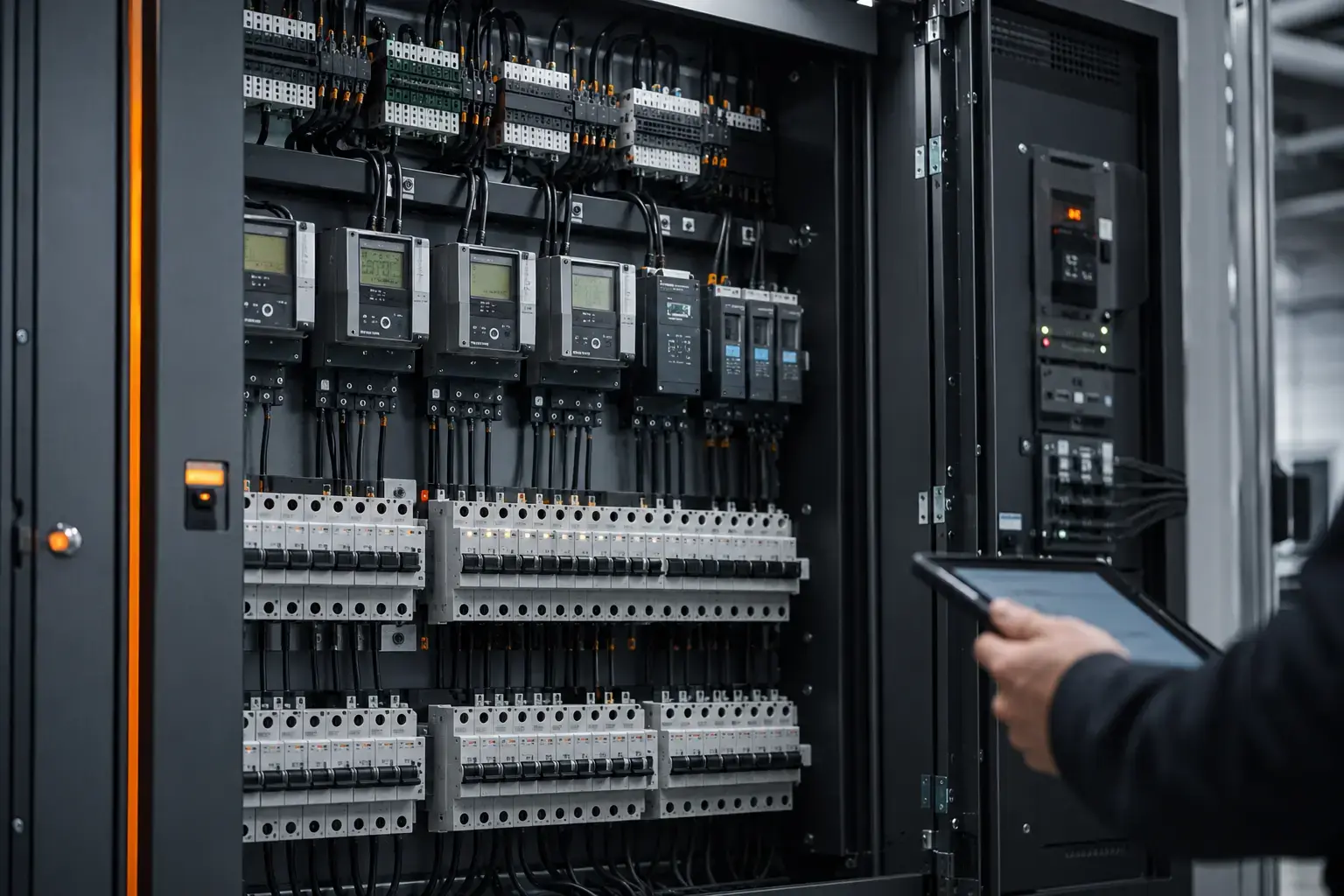
Electricity, water and other available utility data structured for technical review.
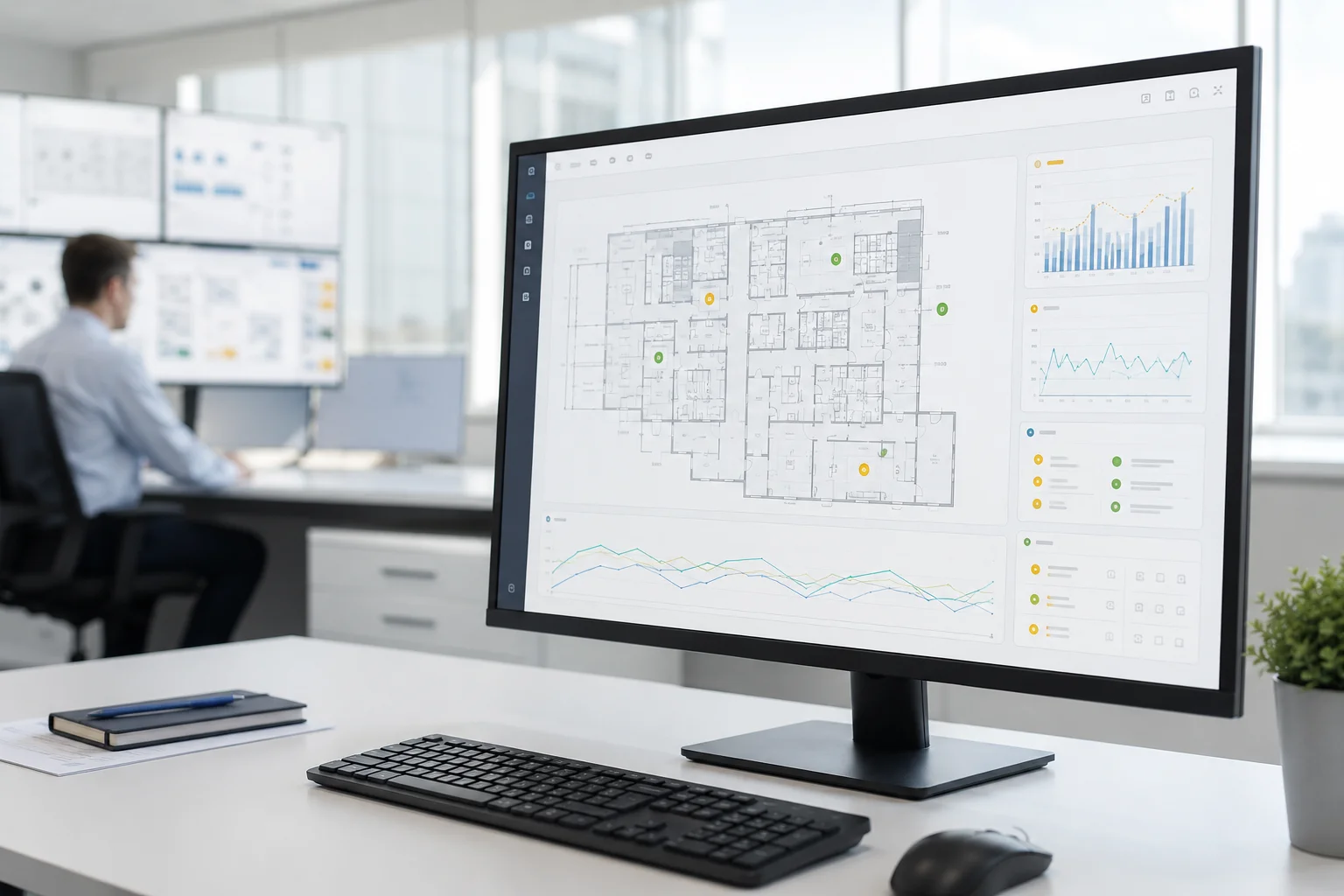
Events prioritized and presented to the responsible technical roles with relevant context.
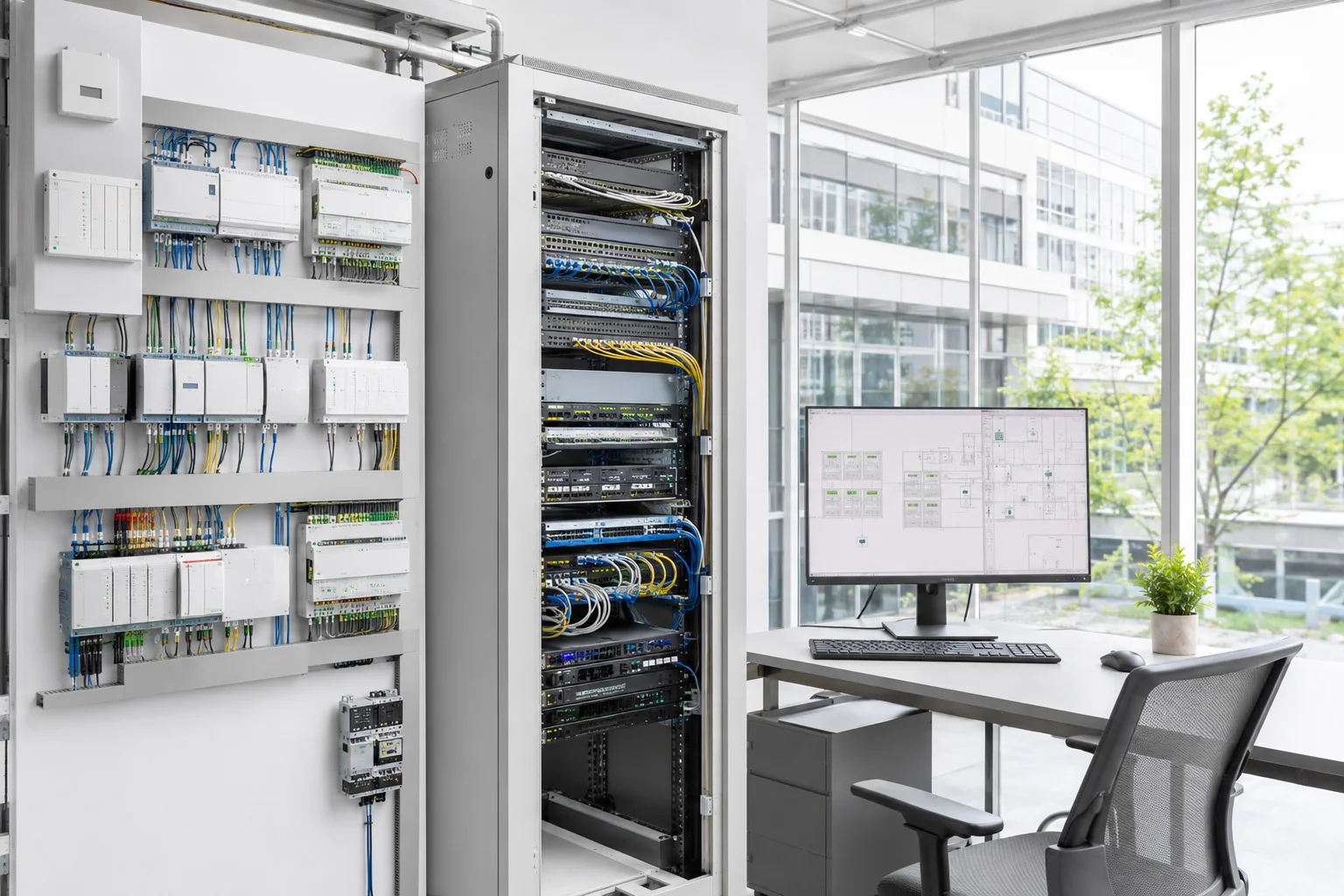
A coordinated low-current and protocol layer connects approved systems and data sources.

Useful digital operations depend on confirmed signals, consistent naming and tested alarm logic.
Existing equipment, protocols and documentation assessed before scope confirmation.
Assets, locations, points and permissions organized consistently.
Signals, alarms, trends and dashboards verified with the responsible team.
The technical scope changes with the site, users, existing infrastructure and operating model.
Utilities, technical infrastructure and compatible process-adjacent systems.
Environmental, power, access and facility monitoring.
A repeatable operational view across distributed properties.
Centralized monitoring for high-equipment environments.
Digital requirements coordinated before equipment procurement.
The work stays coordinated from the first survey through testing, training and support.
We review the site, users, project stage, operating model and required outcomes.
The system architecture, responsibilities, integration boundaries and budget approach are defined.
Approved infrastructure, equipment, software and logic are installed, configured and tested.
Users receive the agreed documentation, training and ongoing technical assistance.
Explore the engineering capabilities that support design, integration and long-term operation.
RUNN focuses on the interfaces, networks, signals and operating workflows that make digital monitoring usable.
Available protocols and responsibility boundaries are reviewed for each connected system.
Dashboards and alarms are organized around real technical roles and response needs.
The delivered data points and functions are tested and recorded before handover.
In this context, it is a connected operational environment that organizes compatible equipment, facility and utility data for monitoring, alarms, trends and technical workflows.
The exact boundary must be confirmed for each project. RUNN can integrate compatible facility and selected operational data, while machine-control responsibility may remain with specialist OEM or process-automation contractors.
Possibly. Integration depends on available protocols, gateways, documentation, network access and permission from the equipment owner or vendor.
Yes, the architecture can be structured for distributed facilities with appropriate separation of data, permissions and local responsibilities.
Historical trends and structured data can support further analysis. Any advanced analytics or predictive scope should be defined separately based on data quality and the selected platform.
It begins with a technical survey, interface review and definition of the assets, points, user roles and operational outcomes required.
Share the facility type, systems and current documentation. RUNN will review the practical monitoring and integration scope.
Request a consultationInitial consultation and preliminary concept are free of charge.