Power
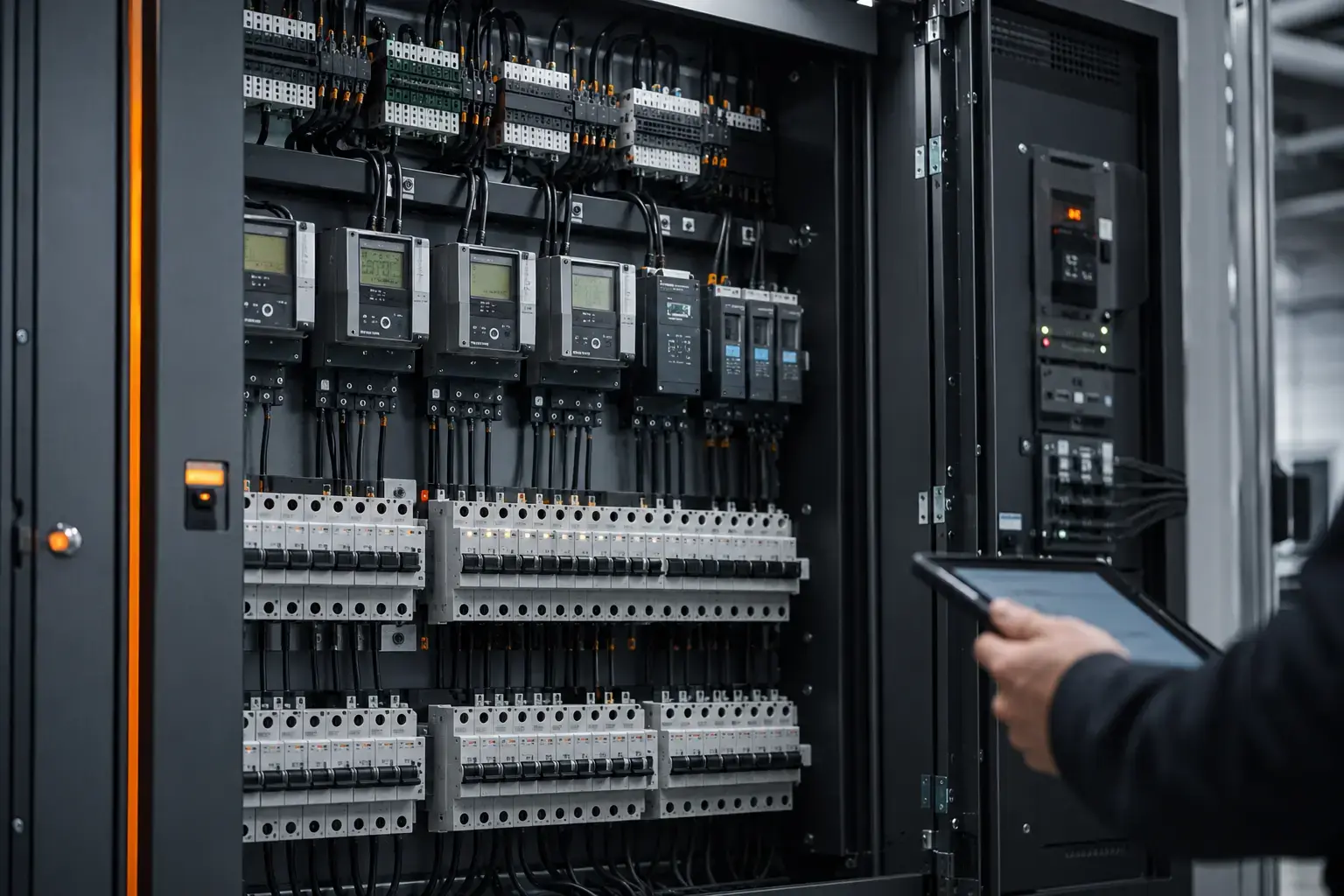
Electrical distribution & metering
Status and measurements from compatible switchgear, UPS, generators and power-distribution equipment.
Bring power, cooling, environmental conditions, alarms and physical security into a coordinated operational view designed for rapid response.

The purpose of monitoring is not to display more data—it is to help operators recognize, prioritize and respond.
RUNN coordinates monitoring points, alarm logic, trends and operator interfaces across compatible electrical, cooling, environmental and security systems. The final scope is aligned with the appointed data centre consultant, equipment vendors and operational procedures.
Interfaces and responsibility boundaries are confirmed with the wider project team before implementation.
Status and measurements from compatible switchgear, UPS, generators and power-distribution equipment.
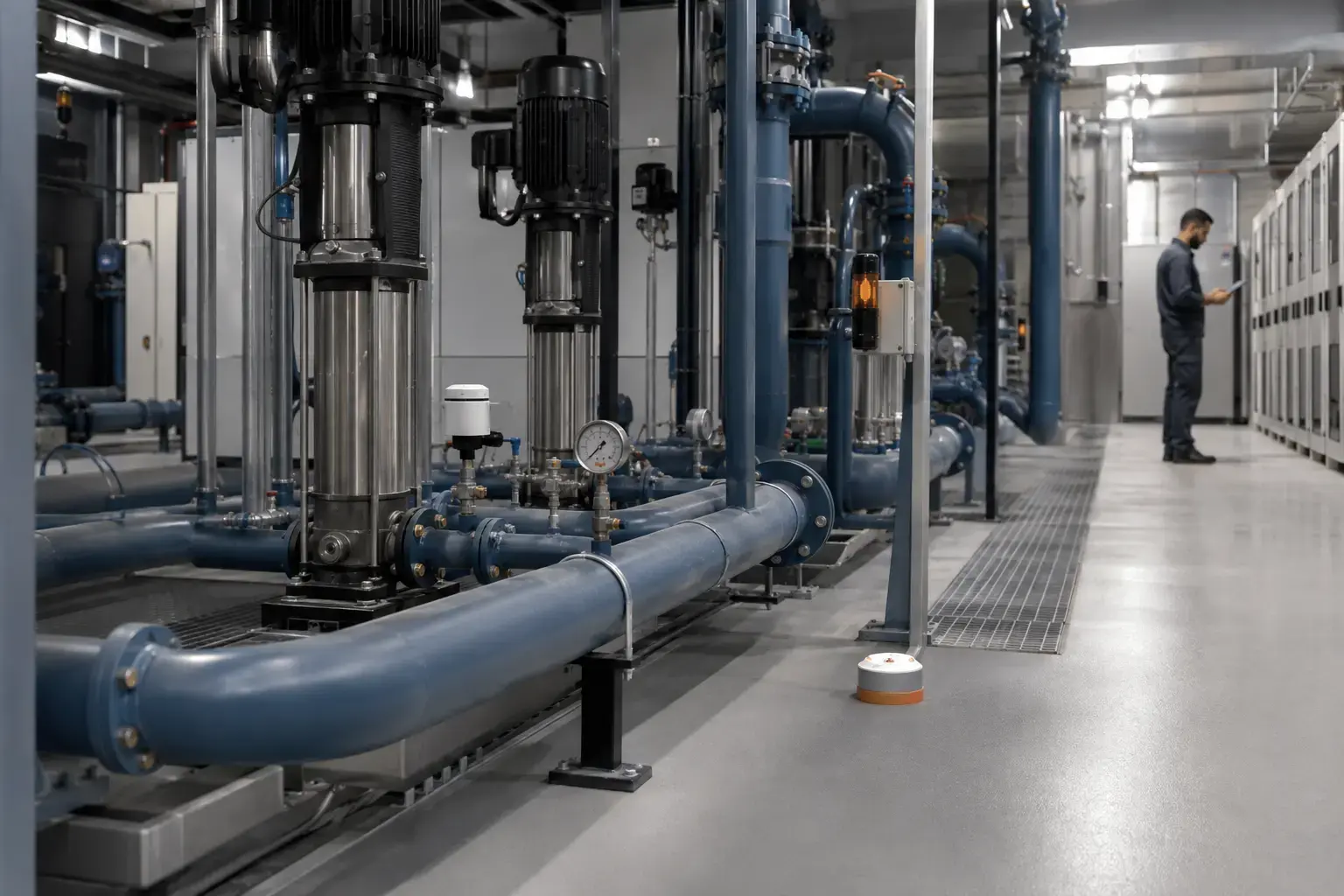
Cooling status, temperature, humidity and selected leak events organized for operators.
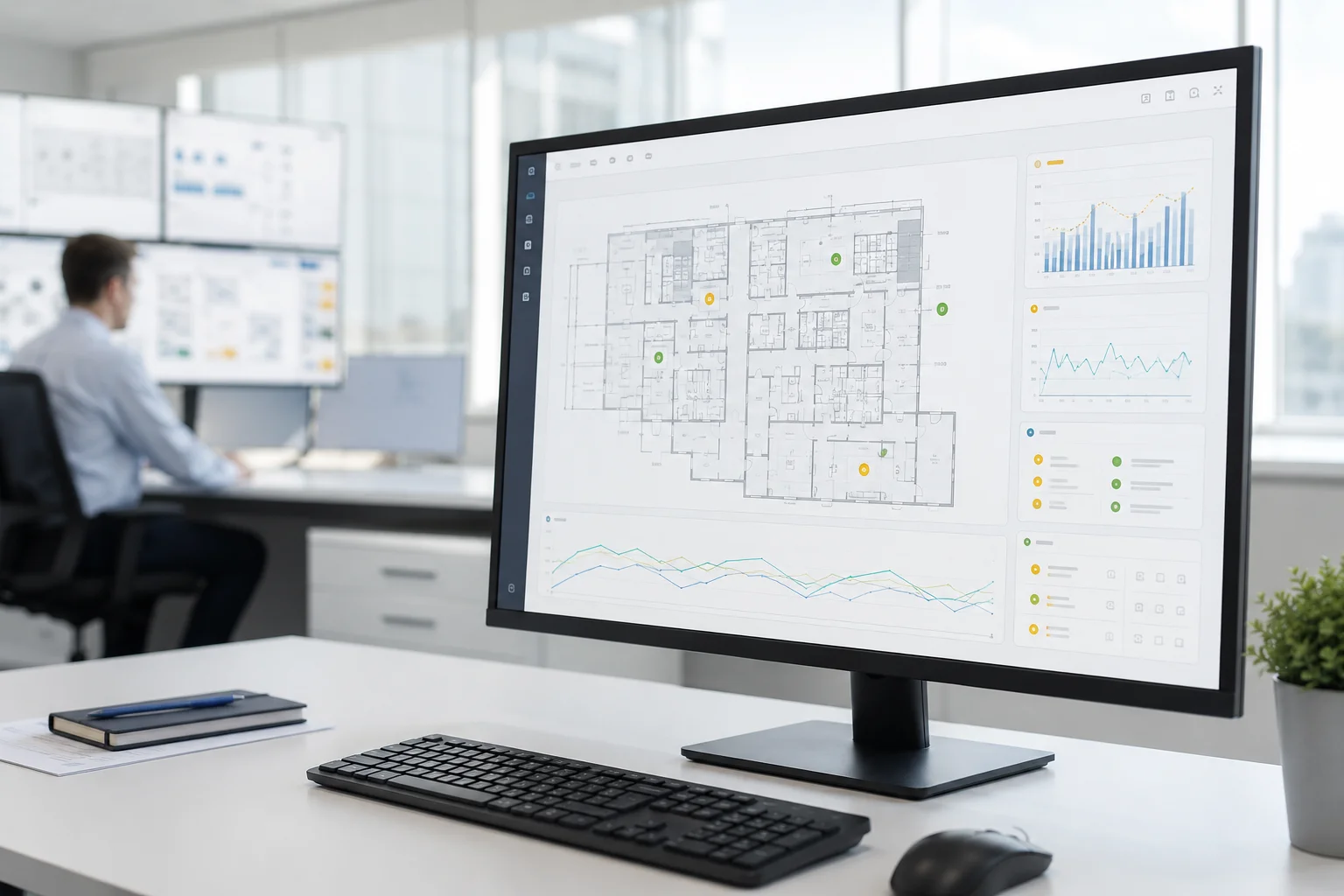
Faults and threshold breaches presented with equipment context and approved escalation logic.
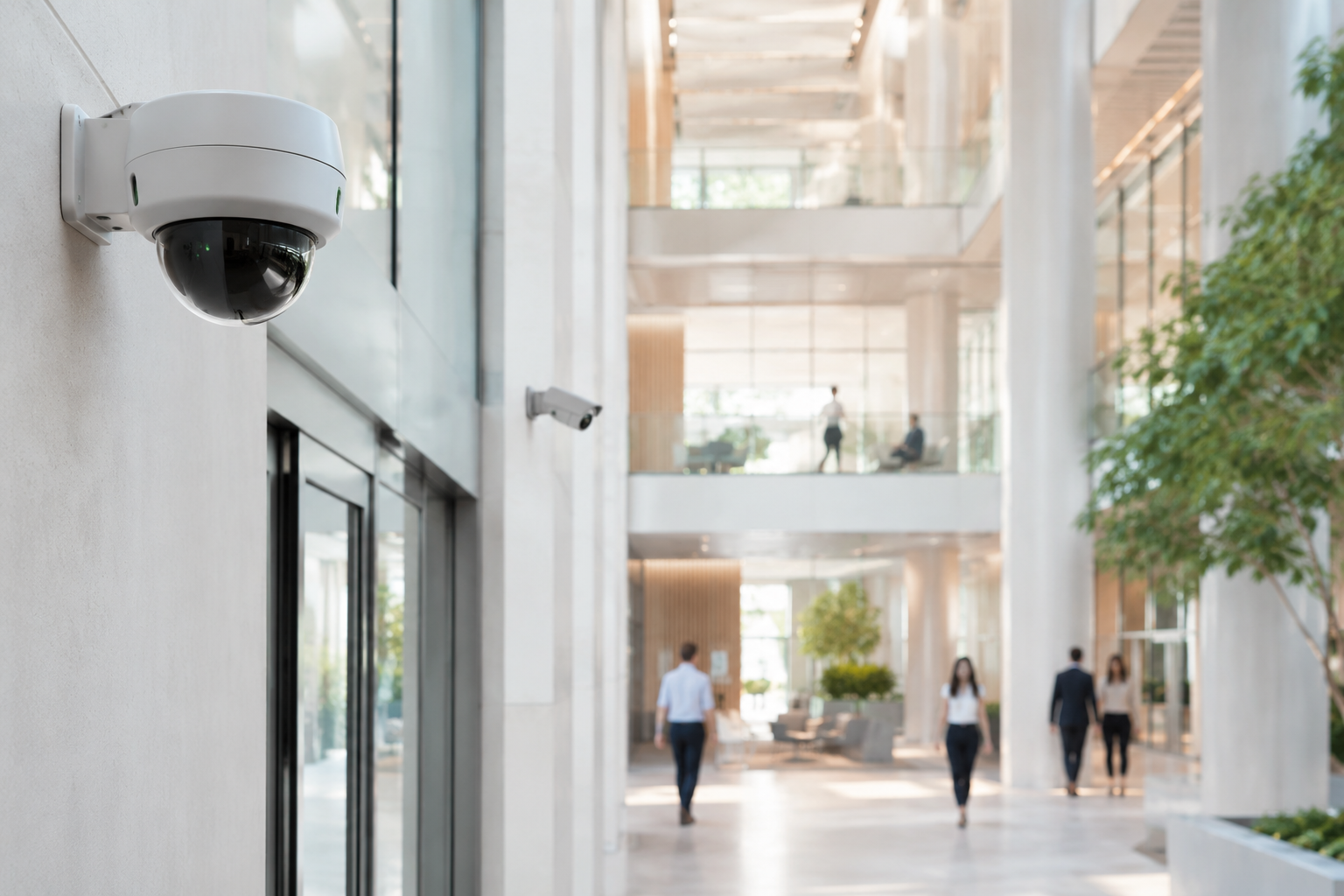
Controlled entry and relevant CCTV coverage for technical rooms and critical zones.

Point lists, naming, alarm priorities and operator views must be verified against the delivered equipment and agreed procedures.
Signals and states checked against approved documentation.
Thresholds, delays, priorities and histories tested with operators.
Interfaces, procedures and documentation prepared for the facility team.
The technical scope changes with the site, users, existing infrastructure and operating model.
Integrated monitoring for owner-operated critical facilities.
Structured visibility across shared infrastructure and controlled zones.
Compact monitoring for distributed technical sites.
Targeted monitoring for server and communications environments.
Design coordination for new systems and selected existing interfaces.
The work stays coordinated from the first survey through testing, training and support.
We review the site, users, project stage, operating model and required outcomes.
The system architecture, responsibilities, integration boundaries and budget approach are defined.
Approved infrastructure, equipment, software and logic are installed, configured and tested.
Users receive the agreed documentation, training and ongoing technical assistance.
Explore the engineering capabilities that support design, integration and long-term operation.
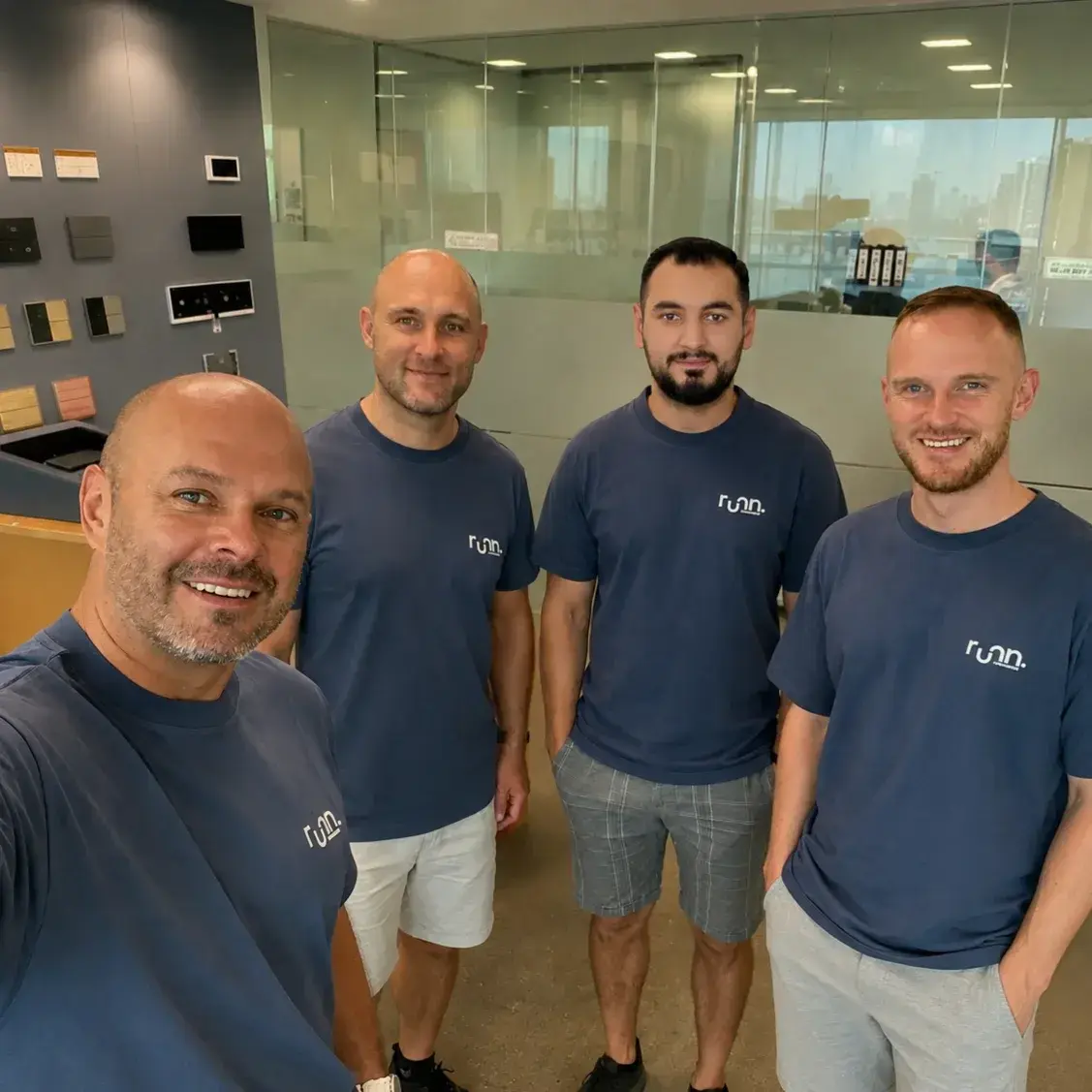
RUNN focuses on clear interfaces, tested logic and documentation across the systems within the agreed scope.
Monitoring points and network requirements are aligned with equipment vendors and consultants.
Graphics, alarms and permissions are organized around the people responsible for response.
Testing records, training and support stay connected to the delivered platform.
The agreed scope may include electrical distribution, UPS and generators, cooling equipment, temperature, humidity, leak detection, access control and other compatible facility systems.
The solution scope can vary. RUNN can deliver facility-system monitoring and integration, while specific DCIM functions depend on the selected platforms, available interfaces and project requirements.
Existing equipment may be integrated where suitable protocols, gateways, documentation and permissions are available. A technical survey is required.
Alarm categories, delays, thresholds and escalation routes are defined with the project and operations teams, then verified during commissioning.
Yes. Physical security can be coordinated as part of the wider critical-facility scope, with access limited according to authorized roles.
RUNN prepares the documentation included in the contract, which can cover point lists, test records, as-built information, operator guidance and training materials.
Share the facility type, design stage and included systems. RUNN will review the monitoring and integration scope with your project team.
Request a consultationInitial consultation and preliminary concept are free of charge.